
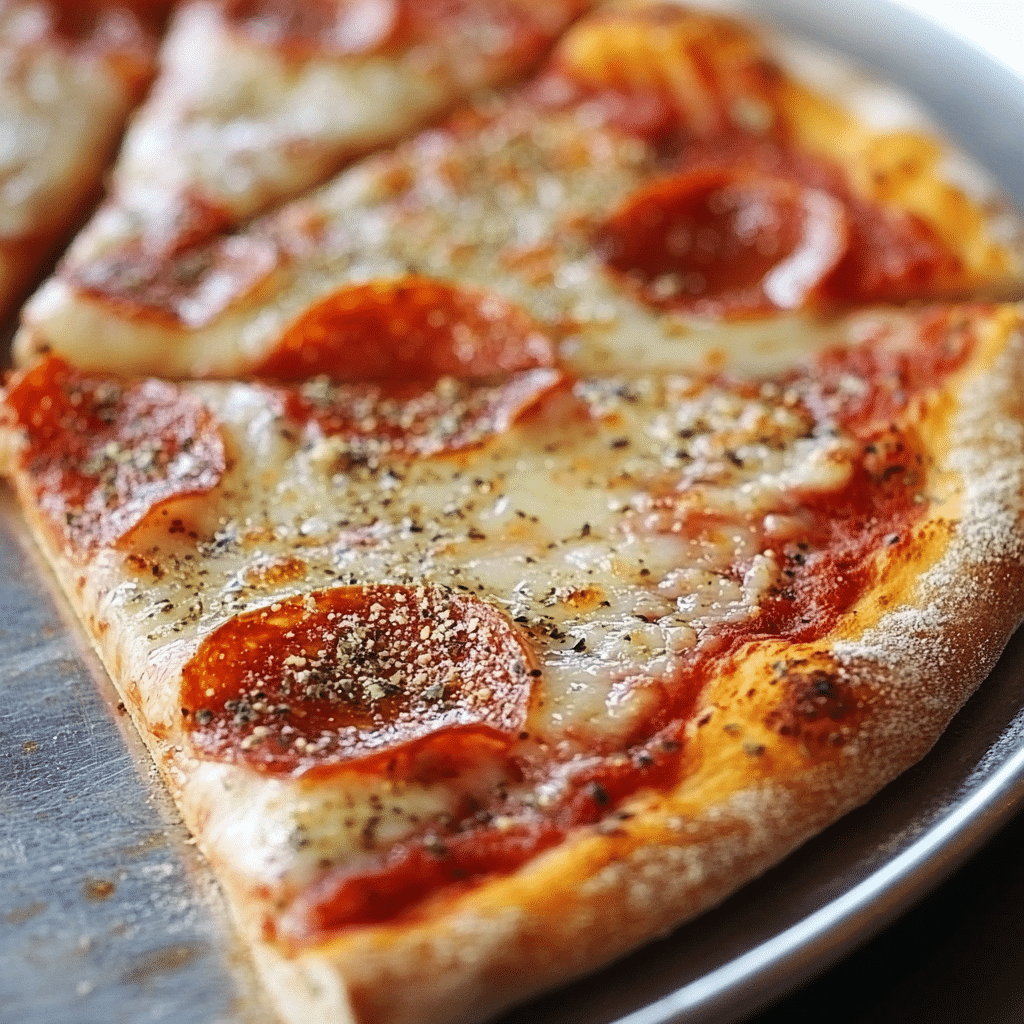
This traditional Italian pizza dough recipe creates the perfect foundation for any style of pizza—from a simple Margherita to a loaded meat-lover’s pie. Designed to make four 12-inch pizzas, this dough delivers the ideal balance of crispness and chew, with just the right elasticity for stretching and shaping. With only a few basic ingredients, this dough yields authentic results, reminiscent of pizzerias in Naples and Rome.
Made with high-quality “00” flour (or all-purpose if preferred), olive oil, yeast, and a hint of sugar, this dough develops a deep flavor and tender structure when given proper time to rise. Whether you’re baking in a home oven or pizza stone, this base offers flexibility, reliability, and exceptional texture. Once you master it, homemade pizza night will never be the same.
Why You’ll Love This Recipe
- Authentic Italian Flavor: Crafted with traditional ingredients for classic taste and texture.
- Perfect Texture: Chewy, light interior with a crisp, golden crust.
- Make-Ahead Friendly: The dough can be made in advance and refrigerated or frozen.
- Customizable Base: Works for any type of pizza—Neapolitan, thin-crust, or even calzones.
- Easy to Handle: Soft and elastic dough is simple to stretch, shape, and bake.

Ingredients
- Warm water
- “00” flour (or all-purpose flour)
- Fresh yeast or dried yeast
- Extra virgin olive oil
- Salt
- Sugar
Variations
- Whole Wheat Dough: Replace up to 30% of the flour with whole wheat for a nuttier flavor.
- Herb-Infused Dough: Add dried oregano or rosemary for a fragrant twist.
- Garlic Dough: Mix in a little garlic powder or roasted garlic paste for extra depth.
- Spicy Crust: Add crushed red pepper flakes to the dough for a mild kick.
- Gluten-Free: Use a gluten-free flour blend formulated for yeast baking.
How to Make the Recipe
Step 1
Dissolve the yeast and sugar in the warm water. Let it sit for 5–10 minutes until frothy.
Step 2
In a large bowl, combine the flour and salt. Create a well in the center.
Step 3
Pour in the yeast mixture and olive oil. Mix until a shaggy dough forms.
Step 4
Transfer the dough to a floured surface. Knead for about 10 minutes until smooth and elastic.
Step 5
Place the dough in a lightly oiled bowl, cover with a damp cloth or plastic wrap, and let rise in a warm place for 1.5 to 2 hours, or until doubled in size.
Step 6
Punch down the dough and divide it into four equal portions.
Step 7
Shape each portion into a tight ball, cover, and let rest for 30 minutes before using.
Step 8
Stretch each dough ball into a 12-inch circle, top with desired ingredients, and bake.

Tips for Making the Recipe
- Use warm (not hot) water to activate the yeast—around 100–110°F (38–43°C).
- Let dough rise in a draft-free area for best results.
- For a chewier crust, refrigerate dough overnight for a slow fermentation.
- Don’t overwork the dough after the first rise—gentle handling yields better texture.
- Bake on a pizza stone or steel at a high temperature (475–500°F) for optimal crust.
How to Serve
- Top with classic tomato sauce, mozzarella, and fresh basil for a Margherita pizza.
- Use as a base for white pizzas with ricotta, garlic, and spinach.
- Form into mini pizzas for parties or kids’ dinners.
- Make calzones or stuffed bread with your favorite fillings.
- Brush the crust with olive oil and garlic for extra flavor before baking.
Make Ahead and Storage
Storing Leftovers
Wrap unused dough tightly and refrigerate for up to 3 days.
Freezing
Wrap individual dough balls in plastic wrap and freeze for up to 3 months. Thaw overnight in the fridge before using.
Reheating
Par-baked crusts can be topped and reheated in the oven at 400°F for 10–12 minutes.
FAQs
1. Can I use all-purpose flour instead of “00” flour?
Yes, all-purpose flour works well, though the texture may be slightly different.
2. How long should I let the dough rise?
Let it rise until doubled—usually 1.5 to 2 hours at room temperature.
3. Can I refrigerate the dough overnight?
Absolutely. Cold fermentation enhances the flavor and texture.
4. How do I know when the dough is kneaded enough?
It should be smooth, elastic, and no longer sticky.
5. What if I don’t have a pizza stone?
Use a preheated baking sheet or cast-iron skillet for a crispy crust.
6. How thin should I stretch the dough?
For a 12-inch pizza, about 1/4 inch thick in the center, slightly thicker at the edges.
7. Do I need to pre-bake the crust?
Not necessary for thin crust; pre-bake if using very wet toppings or for deep dish.
8. What yeast should I use?
Both fresh and dried yeast work; use what you have on hand and adjust quantities accordingly.
9. Can I flavor the dough?
Yes—add herbs, garlic powder, or even grated cheese for a twist.
10. Why is my dough not rising?
The water may have been too hot or cold, or the yeast may be expired.

Conclusion
This classic Italian pizza dough recipe offers a foolproof way to create restaurant-quality pizza at home. With just a few basic ingredients and a little patience, you’ll enjoy a crust that’s tender, flavorful, and perfect every time. Whether you’re baking for a weeknight dinner or a pizza party, this dough delivers consistent results and endless versatility. Once you try it, store-bought dough just won’t cut it anymore.