
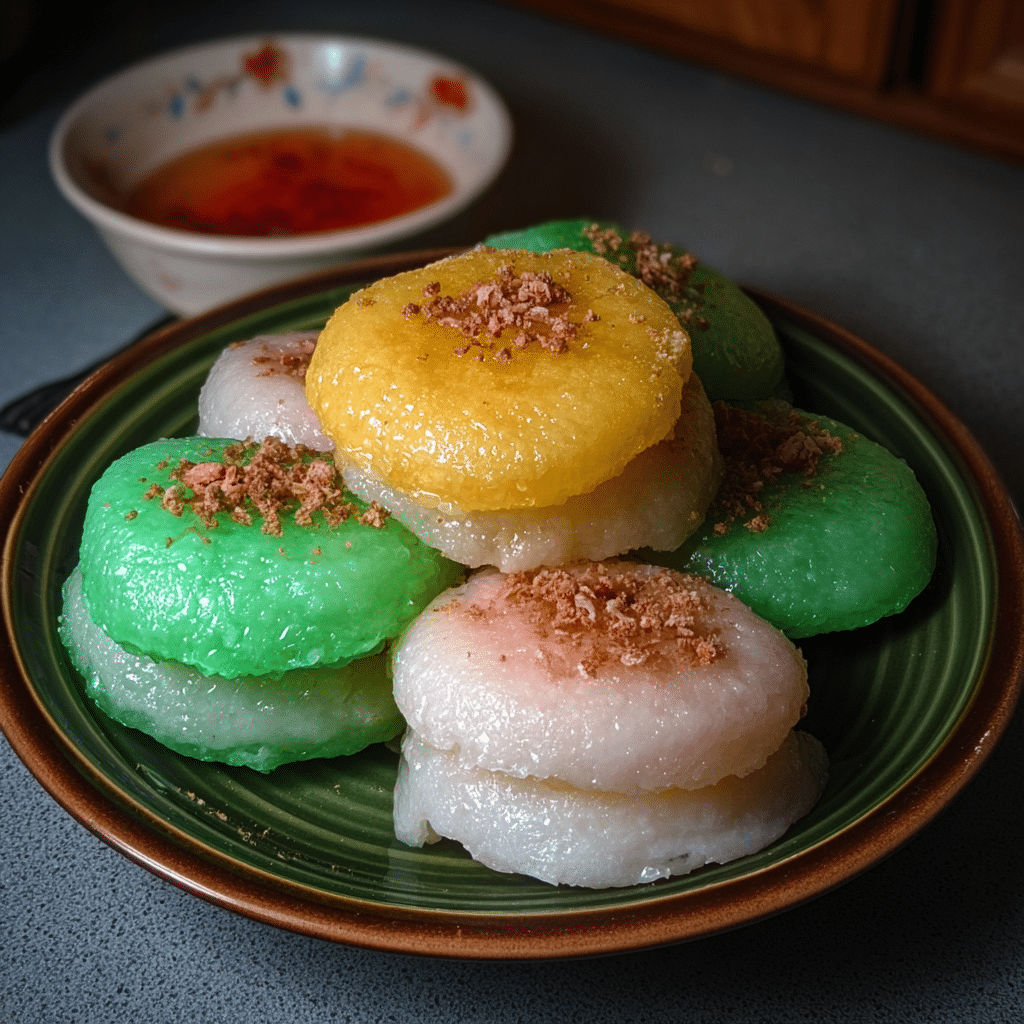
Vietnamese Steamed Rice Cakes are a beloved traditional treat that offer a delightful combination of soft, delicate textures and subtle flavors that capture the essence of Vietnamese cuisine. Learning how to make authentic Vietnamese Steamed Rice Cakes at home is easier than you think, and this step-by-step guide will walk you through every part of the process, from simple ingredients to delicious results. Whether you want a sweet snack or a savory delight, these cakes are versatile, satisfying, and perfect for sharing with family and friends.
Why You’ll Love This Recipe
- Authentic Taste: Enjoy the true flavors of Vietnam with a recipe that honors traditional preparation methods and ingredients.
- Simple Ingredients: All ingredients are easy to find and combine to create that classic, melt-in-your-mouth texture.
- Quick to Make: With the right technique, you can have these delicious rice cakes ready in under an hour.
- Versatile Flavors: Adapt the recipe to be sweet or savory, suiting any meal or snack time cravings.
- Great for Beginners: Easy-to-follow steps make it approachable for cooks of all skill levels.
Ingredients You’ll Need
The magic of Vietnamese Steamed Rice Cakes lies in their simplicity. Each ingredient plays an essential role in creating the perfect balance of taste and texture, from the fluffy softness to the subtle sweetness or savoriness. Gathering fresh, quality ingredients is key to success.
- Rice Flour: The base for the cakes, producing a smooth, tender texture essential for steaming.
- Tapioca Starch: Adds a slight chewiness and improves the structure without heaviness.
- Sugar: Used for sweetness in the sweet versions, balanced carefully to avoid overwhelming the delicate flavors.
- Water or Coconut Milk: Provides moisture and flavor; coconut milk enriches and adds a subtle creaminess.
- Baking Powder: Helps the cakes rise lightly, contributing to their airy feel.
- Salt: Enhances all the natural flavors and balances sweetness or savoriness.
- Optional Toppings: Ingredients like mung beans, shredded coconut, or scallions add texture, color, and extra flavor.
Variations for Vietnamese Steamed Rice Cakes
You can easily tailor your Vietnamese Steamed Rice Cakes to match your preferences, dietary needs, or available ingredients. Here are some popular variations to inspire your next batch, making it your own little culinary adventure.
- Sweet Coconut Style: Use coconut milk and sugar for a richer and more aromatic cake.
- Savory Herb Infusion: Add chopped scallions, cilantro, or minced shrimp for a flavor-packed twist.
- Gluten-Free Version: Simply stick to rice flour and tapioca starch to keep it gluten-free and delightfully chewy.
- Colorful Layers: Use natural food colorings from pandan leaves or beet juice for visual flair.
- Mung Bean Filling: Incorporate sweetened mung bean paste inside for a delightful surprise in every bite.

How to Make Vietnamese Steamed Rice Cakes
Step 1: Prepare the Batter
Start by mixing rice flour and tapioca starch in a large bowl to ensure even texture. Gradually add water or coconut milk, stirring continuously until the batter is smooth without lumps. Incorporate sugar and salt, then finally stir in baking powder right before steaming for the best rise.
Step 2: Prepare the Steamer
Set up a steaming pot or rice cooker with at least two inches of boiling water. Line your steaming trays or cake molds with banana leaves, parchment paper, or lightly oil them to prevent sticking. Make sure the steam is steady and strong before placing the batter inside.
Step 3: Pour and Steam
Pour the batter into your molds, filling them about three-quarters full to leave room for expansion. Place the molds inside the steamer and cover tightly with a lid wrapped in a clean kitchen towel to prevent water condensation from dripping onto the cakes. Steam for about 15 to 20 minutes, checking doneness by inserting a toothpick—it should come out clean and the cakes should be springy to the touch.
Step 4: Cool and Serve
Remove the steamed rice cakes carefully and allow them to cool slightly before unmolding. Serve warm or at room temperature, garnished with your choice of toppings or dips according to whether you made a sweet or savory version.
Pro Tips for Making Vietnamese Steamed Rice Cakes
- Consistent Batter: Sift rice flour and tapioca starch before mixing to avoid lumps and ensure smoothness.
- Proper Steaming: Keep the water boiling and avoid lifting the lid during steaming to maintain consistent heat and steam pressure.
- Use Fresh Ingredients: Fresh rice flour and spices make a noticeable difference in flavor and texture.
- Timing is Key: Don’t over-steam or under-steam; 15 to 20 minutes is usually perfect depending on cake size.
- Banana Leaves Add Flavor: Using banana leaves to line molds adds subtle aroma and authenticity.
How to Serve Vietnamese Steamed Rice Cakes
Garnishes
Garnishing Vietnamese Steamed Rice Cakes brings extra flavor and a fun contrast in texture. Popular options include toasted sesame seeds, fried shallots, fresh herbs like cilantro or mint, shredded coconut, or chopped peanuts for crunch. These add color and elevate the humble cake into a more festive dish.
Side Dishes
These soft rice cakes pair beautifully with fresh vegetable salads or pickled greens, adding brightness alongside the soft cake. You can also serve them with dipping sauces ranging from sweet coconut sauce to tangy chili-lime fish sauce depending on the desired flavor profile.
Creative Ways to Present
For a special occasion, stack the steamed rice cakes layered with different fillings or colors to create a vibrant display. Use small leaf plates or bamboo baskets to serve for an authentic touch that delights guests both visually and gustatorily.
Make Ahead and Storage
Storing Leftovers
Store leftover Vietnamese Steamed Rice Cakes in an airtight container in the refrigerator for up to three days. Make sure they are completely cooled before storing to avoid condensation.
Freezing
You can freeze the cakes by wrapping each piece tightly in plastic wrap and then placing them in a sealed freezer bag. Thaw overnight in the fridge for best texture before reheating.
Reheating
Reheat by steaming the cakes again for 5 to 8 minutes or microwaving covered with a damp paper towel to retain moisture. Avoid overheating, which can dry them out or change the texture.
FAQs
Can I use all-purpose flour instead of rice flour?
Rice flour is essential for the unique texture of Vietnamese Steamed Rice Cakes, so substituting with all-purpose flour will affect the softness and traditional flavor.
What can I do if my rice cakes are too sticky?
Try reducing the amount of water slightly and ensure you’re using the right ratio of rice flour to tapioca starch. Also, proper steaming time and cooling are key for texture.
Are Vietnamese Steamed Rice Cakes gluten-free?
Yes, when made with rice flour and tapioca starch without adding any gluten-containing ingredients, these cakes are naturally gluten-free.
Can I add fillings to the rice cakes?
Absolutely! Popular fillings include mung bean paste or minced shrimp, which can be added before steaming for a delicious surprise inside.
What is the best way to serve the cakes for a party?
Cut them into bite-sized pieces, arrange on banana leaves or decorative platters, and offer a variety of dips and garnishes so guests can customize their bites.
Final Thoughts
Making Vietnamese Steamed Rice Cakes at home is a rewarding experience that brings a taste of Vietnam into your kitchen. With simple ingredients and straightforward steps, you can enjoy this traditional treat anytime, delighting family and friends. Don’t hesitate to customize the recipe and make it your own—it’s a delicious adventure waiting to happen!