
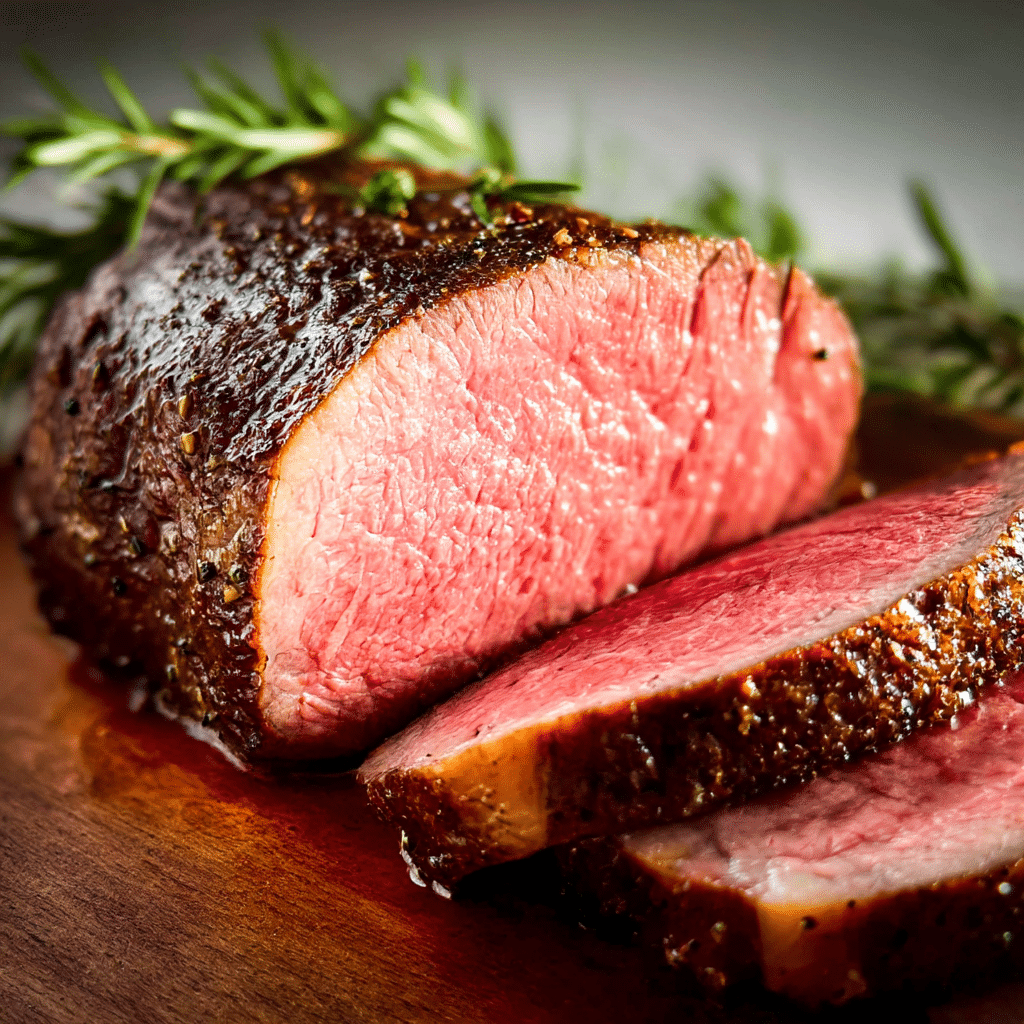
If you have ever dreamed of achieving perfectly tender, juicy, and flavorful beef that melts in your mouth, then mastering the technique of Slow-Roasted Beef is your golden ticket. This recipe transforms a simple cut into a show-stopping centerpiece, delivering deep, rich flavors developed slowly over time. Whether you’re preparing for a family dinner or a special occasion, this foolproof method guarantees consistent, mouthwatering results every time.
Why You’ll Love This Recipe
- Exceptional Tenderness: Slow roasting breaks down connective tissues, resulting in incredibly soft and juicy beef you’ll savor in every bite.
- Rich Flavor Development: Allowing the beef to roast gently over hours enhances its natural flavors, producing a complex, savory taste.
- Simple Preparation: Minimal ingredients and fuss mean this recipe is accessible, even for beginner cooks eager to impress.
- Versatility: Perfect for a casual family meal or an elegant dinner party, Slow-Roasted Beef suits any occasion.
- Make-Ahead Friendly: Prepare it in advance, letting it rest until serving, ideal for stress-free entertaining.
Ingredients You’ll Need
This recipe relies on simple, high-quality ingredients that combine to create a flavorful crust and tender interior. Each element—from the seasoning to the beef cut—plays a key role in texture, taste, and overall success.
- Beef Roast: Choose a well-marbled cut like chuck, ribeye, or brisket for rich flavor and tenderness after slow roasting.
- Olive Oil: A light coating helps the seasoning adhere and promotes a beautifully browned crust.
- Salt and Pepper: Basic seasoning essentials that enhance the natural beef flavors without overpowering them.
- Garlic Cloves: Add aromatic depth and an irresistible savory punch when roasted alongside the beef.
- Fresh Herbs (Rosemary, Thyme): These fragrant herbs infuse the meat with subtle earthiness and freshness.
- Onions: Their sweetness caramelizes during cooking, enriching the flavor base.
- Beef Broth or Red Wine (Optional): Used to baste or create a delicious pan sauce for extra juiciness and complexity.
Variations for Slow-Roasted Beef
Feel free to tailor the Slow-Roasted Beef recipe to your taste preferences or dietary needs—it’s wonderfully adaptable and forgiving!
- Spicy Kick: Add chili flakes or smoked paprika to the seasoning blend for a subtle heat boost.
- Herb Twist: Try swapping rosemary and thyme for sage and oregano for a Mediterranean flair.
- Vegetarian-Style Sides: Roast root vegetables alongside the beef for a complete, one-pan meal.
- Gluten-Free: Ensure all broth or marinade ingredients are gluten-free to accommodate sensitivities.
- Slow Cooker Version: Adapt the slow-roasting process for the crockpot to free up oven space.

How to Make Slow-Roasted Beef
Step 1: Preparing the Beef
Start by patting the beef roast dry with paper towels; this ensures a better crust. Rub it generously with olive oil, salt, freshly cracked pepper, and your chosen herbs and garlic. Let it sit at room temperature for 30 minutes to enhance flavor absorption and even cooking.
Step 2: Searing for Flavor
Heat a heavy skillet or ovenproof pan over medium-high heat. Sear the beef on all sides until it achieves a rich, golden-brown crust. This step locks in juices and builds delicious Maillard reaction flavors that elevate the final dish.
Step 3: Slow Roasting
Transfer the seared beef to a roasting pan or leave it in the ovenproof skillet. Add quartered onions, garlic cloves, and fresh herbs around the meat. Pour a small amount of beef broth or red wine into the pan to keep the environment moist. Roast slowly in a preheated oven at 275°F (135°C) until the internal temperature reaches your desired doneness—usually around 2.5 to 3.5 hours based on the roast size.
Step 4: Resting Is Key
Remove the beef from the oven and tent it loosely with foil. Rest for at least 20 minutes before carving. This allows juices to redistribute evenly, delivering juicy, tender slices every time.
Pro Tips for Making Slow-Roasted Beef
- Choice of Cut Matters: Select cuts with good marbling for the best combination of flavor and tenderness.
- Use a Meat Thermometer: Avoid guesswork by monitoring internal temperature for perfect doneness.
- Low and Slow Cooking: Keep the oven temperature low to break down connective tissues gently and evenly.
- Season Generously: Don’t shy from seasoning liberally; beef benefits from plenty of salt and herbs.
- Rest Before Carving: Resist the urge to cut immediately to lock in moisture and retain juiciness.
- Use a Roasting Rack: Elevate the meat for even heat circulation and prevent soggy bottoms.
How to Serve Slow-Roasted Beef
Garnishes
Fresh herbs like parsley or thyme sprinkled on top add vibrant color and enhance the natural aromatics. A drizzle of pan jus or a dollop of horseradish cream can elevate each slice with a burst of complementary flavor.
Side Dishes
Classic pairings include creamy mashed potatoes, roasted seasonal vegetables, or a crisp green salad for a refreshing contrast. For something a bit heartier, try buttered noodles or a rich mushroom sauce alongside the beef.
Creative Ways to Present
Serve slices stacked on a wooden board surrounded by roasted root vegetables for rustic appeal, or slice thinly and use as the star ingredient in sandwiches or wraps. For a festive presentation, arrange atop a bed of garlic-infused polenta or creamy risotto.
Make Ahead and Storage
Storing Leftovers
Place leftover Slow-Roasted Beef in an airtight container and refrigerate promptly. It will stay fresh for 3 to 4 days, making it perfect for next-day meals or hearty sandwiches.
Freezing
Wrap leftovers tightly in plastic wrap and aluminum foil or use freezer bags to prevent freezer burn. Properly stored, cooked beef can last up to 3 months in the freezer.
Reheating
Reheat gently in a low oven or covered skillet to avoid drying out the meat. Adding a splash of broth helps maintain moisture. Avoid microwaving if possible, as it can toughen the beef.
FAQs
What is the best cut of beef for Slow-Roasted Beef?
Cuts like chuck roast, ribeye, brisket, or bottom round work best due to their marbling and connective tissues that break down beautifully during slow roasting.
How long does it take to slow roast beef?
The roasting time depends on the size and cut but generally ranges between 2.5 to 3.5 hours at 275°F (135°C) for optimum tenderness.
Can I use a slow cooker instead of an oven?
Yes, slow cookers are a great alternative, especially for hands-off cooking, but the texture might be less crusty compared to oven roasting.
How do I know when Slow-Roasted Beef is done?
Using a meat thermometer is crucial—target about 135°F (57°C) for medium-rare and 145°F (63°C) for medium, followed by resting time.
What sides pair well with Slow-Roasted Beef?
Roasted vegetables, mashed potatoes, creamy polenta, or fresh green salads complement the rich and tender beef perfectly.
Final Thoughts
Slow-Roasted Beef is more than just a meal; it’s an experience packed with comforting flavors and tender textures that invite everyone to gather round and savor each bite. With these tips and simple steps, you’ll turn ordinary beef into an extraordinary feast that’s perfect for any occasion. Give it a try—you’re going to love every juicy, flavorful moment.